Bathroom Tile Mould Removal: How to Remove It and Stop It Coming Back
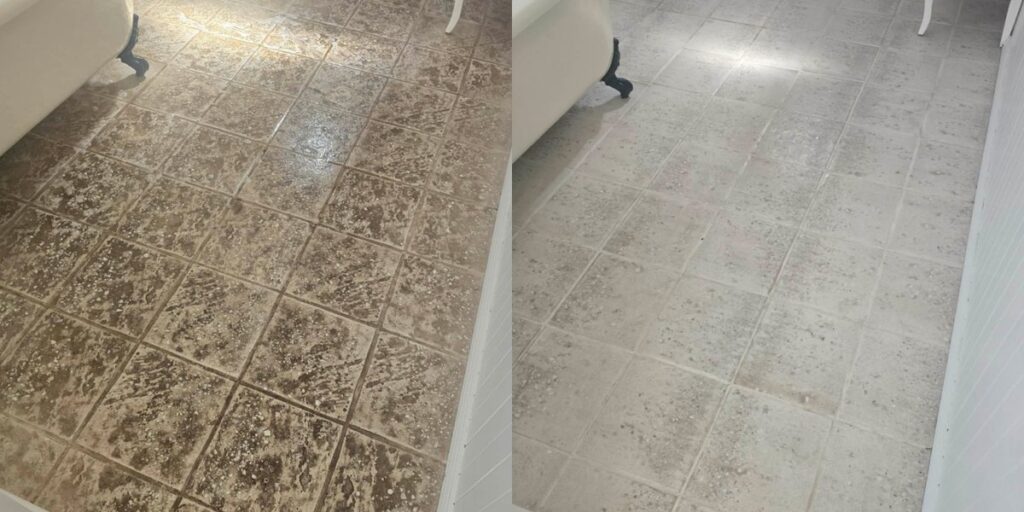
More often than not, tiles and grout take up a large part of your cleaning time, and mould is one of the hardest things to shift. When the cleaning gets tough, it’s tempting to give up, but mould only spreads the longer it’s left. This guide covers bathroom tile mould removal first, so you can deal with the mould you already have. Then we share five preventative tips to stop it coming back.
Why Mould Grows on Tiles and Grout
Bathrooms are warm and steamy, which is exactly what mould needs. Glazed tiles are non-porous, so mould mostly sits on the surface where it’s easy to wipe away. Grout is different. It’s porous, so it soaks up water and soap residue, and mould can grow down into it. That’s why grout lines often stay dark even when the tiles look clean.
How to Remove Mould from Bathroom Tiles and Grout
Light mould can usually be cleaned at home. Open a window or turn on the exhaust fan, wear gloves, and test any product on a small, hidden patch first. For a full cleaning routine, see our guide on how to clean bathroom tiles and grout.
- Spray the mould with a mix of about a teaspoon of tea tree oil in a cup of water, or a mild bathroom mould cleaner.
- Leave it for up to an hour so it can work into the grout.
- Scrub the grout lines with a stiff brush (not a wire brush, which wears grout down), then rinse well with clean water.
- Dry the tiles and grout with a towel and leave the fan running or the window open.
Keep pets out of the room while you work, as tea tree oil is toxic to cats and dogs. Never mix bleach-based cleaners with vinegar, ammonia or other products, as the fumes can be dangerous. Keep vinegar for occasional use: it’s acidic, and regular use can weaken cement-based grout.
5 Tips to Stop Mould Coming Back
1. Ensure There Is Good Ventilation
Mould loves to grow in damp areas. In fact, dampness is its optimal condition for growing and spreading. For this reason, it’s important to make sure your bathroom has a constant source of ventilation, such as an open window or leaving the bathroom door open during and after showers.
2. Use a Good Exhaust Fan
Exhaust fans are particularly useful when it comes to removing moisture from the air in your bathroom. Run yours during every shower and for a while afterwards. Be sure to clean your exhaust fan regularly though, as fans tend to build up with mould too.
3. Keep Everything Dry
After you’ve showered or bathed, try to wipe down all tiled and grouted surfaces with a squeegee or towel. This will slow down and possibly even prevent the build-up of mould. Grout is porous, so when water and vapour sit on tiles and grout, it soaks the water in and traps it, which is what leads to mould.
4. Try Some Mould Preventative Sprays
Mould preventative sprays can sometimes be really effective. Avoid investing too much money in them though, as some people say they work fantastically while others say the opposite. It’s best to try one and see if it works before buying more, and keep the room ventilated while you use it.
5. Don’t Leave Wet Items Lying Around
If you’ve got some wet clothing or a damp towel in the bathroom, avoid leaving it thrown to the side in a heap. The best thing is to hang it up and let it dry. Left bundled up on the floor, wet items only add to the moisture in the bathroom.
When to Call a Professional for Mould Removal
If your bathroom is too far gone and mould has well and truly set in, or it keeps coming back however often you clean, it’s best to have your tiles and grout treated by the professionals. After that, you can work on the preventative tips above, starting from a clean slate. At Wizard Cleaning®, our team uses professional-grade equipment to lift built-up grime and surface mould that home cleaning can’t shift. Mould that has grown deep into the grout can’t be cleaned out, and neither can mould in silicone: both need repairing or replacing. If you’re planning to re-grout, it’s still worth having the area professionally cleaned first, as tiles and grout need to be thoroughly clean before re-grouting, especially if you want the new grout to match the colour.
For a free, no-obligation quote on bathroom tile mould removal, call us on 0400 634 609 or send us an enquiry. We service Perth Metro and surrounding suburbs.